The anatomy of a sleeping giant in football
History, heritage, a loyal crowd and a big stadium all help, yet none is enough alone.


Every football fan knows a club that should be bigger than it is: a famous badge, a vast stadium that rarely fills, a trophy cabinet gathering dust while the club drifts through the lower divisions. Supporters call these teams sleeping giants. The label is loose and endlessly debated, but a handful of ingredients keep coming up whenever people try to decide who qualifies.
In brief
- Supporters call these teams sleeping giants.
- Recent success also works against a club.
- Clubs carry memory, and a famous name in a quiet corner of the league pyramid is a story waiting for its next chapter.
The ingredients of a sleeping giant
The first ingredient is a proper past. A club cannot be asleep if it was never awake, so the conversation usually starts with domestic titles, deep continental runs or an era when the whole country talked about its players. Without that memory, a big crowd and a big ground simply describe a big club, not a dormant club.
The second is heritage in a broader sense. Some clubs shaped the way the sport developed in their country, gave the national team its stars or built traditions, rivalries and songs that outlived any single squad. That cultural weight is what lets a supporter in a rainy lower-league ground still feel part of something grand.
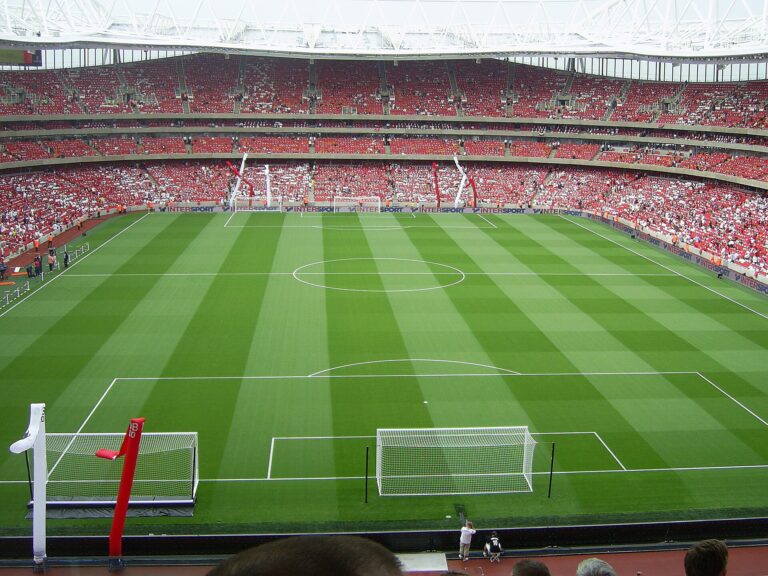
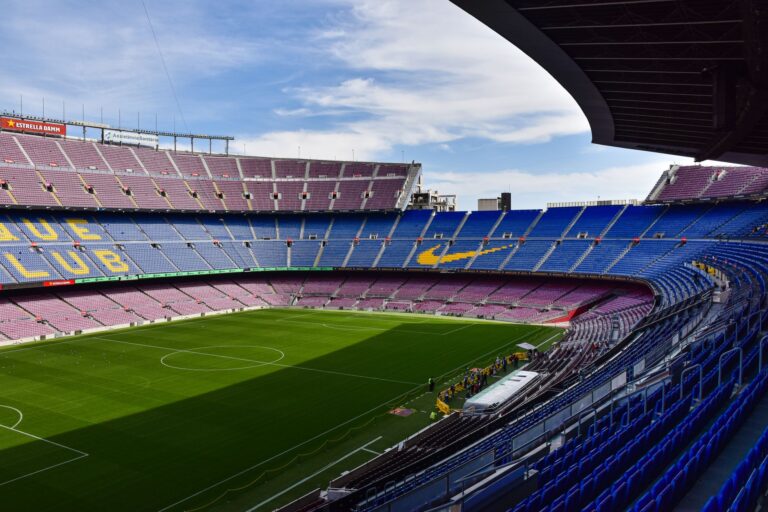
The third is the crowd itself. A sleeping giant keeps turning up. When attendances stay healthy through relegations, mid-table slumps and years of poor management, it shows the demand is still there, waiting for a team worth believing in. The fourth is infrastructure: a large, atmospheric stadium, ideally in a big city or region, gives the club somewhere to grow into if results ever turn.
Why size alone is not enough
Plenty of clubs tick a few of these boxes without earning the nickname. A huge city does not guarantee a huge club, because supporters can be split across several teams or simply uninterested. A modern, spacious arena built for a major tournament does not prove a fanbase either, and neither does a distinguished decade a long time ago.
Recent success also works against a club. A team that has lifted a trophy lately, or sits comfortably in its national top flight, is not sleeping: it is competing. The category is reserved for clubs that currently live below the level their history suggests, which is why teams that have just climbed back among the elite drop out of the conversation almost immediately.

What keeps a giant asleep
The causes are rarely mysterious. Financial mismanagement is the most common, because debts and unpaid bills can force relegations, points deductions or even a restart in the lower leagues. Ownership instability follows close behind, with new investors arriving full of promises and leaving after a few seasons, or owners who treat the club as a short-term asset rather than a community institution.
Poor recruitment and constant changes of coach add to the problem. A club that rebuilds the squad every summer never builds an identity, and an identity is what turns a decent team into a lasting side. Local rivals who modernise faster can also take over the best young talent and the attention of sponsors, leaving the old name with a proud history and a shrinking budget.
Sometimes the cause is simply bad luck. A single missed promotion, a lost play-off or a cup upset can trigger a spiral of departures, and it takes patient work to rebuild the confidence of both the dressing room and the stands.
How a giant wakes up
Revivals tend to follow a recognisable pattern. Stability comes first: honest accounts, a sensible budget and an owner who understands that the supporters are the club’s most valuable asset. A clear sporting plan comes next, often built on a strong academy, a coach given time to work and recruitment that favours hungry young players over expensive veterans.
Then the crowd does its part. A full stadium on a cold midweek night can lift a squad in a way that money cannot buy, and it quickly turns a decent run into a promotion push. Once a club is back in the top division, it needs the same patience to avoid falling again, because sleeping giants have a habit of waking up briefly and drifting off once more when the early excitement fades.
For neutral readers, the appeal of the idea is simple. It reminds us that football is not only about this season’s table. Clubs carry memory, and a famous name in a quiet corner of the league pyramid is a story waiting for its next chapter.
Featured image. Source: Pexels. Credit: AXP Photography. License: Pexels License.