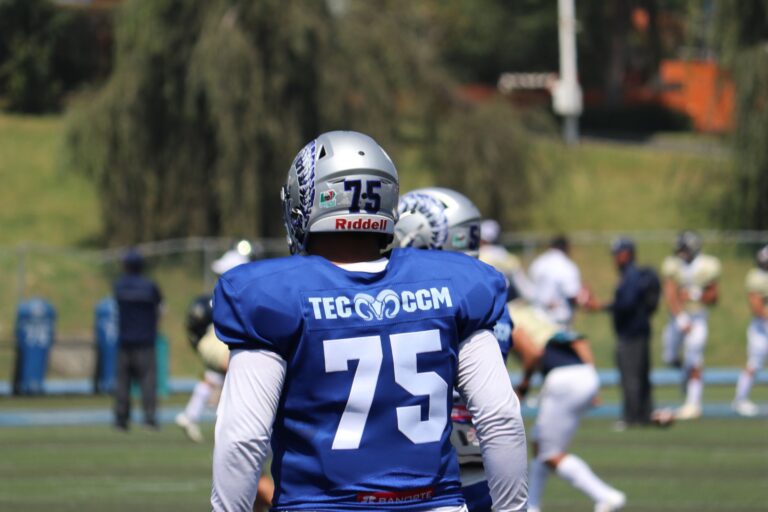
Training and Skills Required for CFB Operators
In the fiercely competitive world of college football, the role of a CFB operator extends far beyond coordinating logistics; it demands a mastery of comprehensive training and specialized skills.


In the fiercely competitive world of college football, the role of a CFB operator extends far beyond coordinating logistics; it demands a mastery of comprehensive training and specialized skills. These individuals serve as the backbone of the program, blending tactical skills acquired through military training with a deep understanding of field operations to maintain combat readiness and technical proficiency. Their responsibilities span leadership development, simulation training, and survival skills, each critical for navigating the dynamic environments both on and off the field.
Operators in college football programs are tasked with both strategic planning and hands-on execution, orchestrating the seamless interplay between coaches, players, and support staff. Such roles require a nuanced combination of organizational expertise and interpersonal acumen to foster team cohesion and enhance overall performance. In this intricate balance between technical and leadership demands, CFB operators stand as pivotal figures ensuring their teams are prepared at every level.
Essential Training Programs for College Football Operators
To excel as a CFB operator, individuals must undergo rigorous training that integrates physical, tactical, and managerial components. These training programs are designed to enhance not only athletic understanding but also operational efficiency within the high-pressure settings of college football.
- CFB Training: Focuses on foundational football operations, including recruitment processes, player development, and compliance with NCAA regulations.
- Military Training: Introduces discipline, resilience, and tactical awareness crucial for managing unpredictable scenarios on game day and beyond.
- Tactical Skills: Equips operators with strategic planning abilities to anticipate opponents’ moves and optimize team preparedness.
- Field Operations: Covers the execution of game-day logistics, coordination between coaching staff, and player welfare management.
- Simulation Training: Utilizes virtual environments to rehearse game scenarios and decision-making without real-world pressures.
These combined training elements ensure that CFB operators can maintain a state of combat readiness in their roles, adapting swiftly to changing situations with technical precision and calm leadership.
Leadership Development and Technical Proficiency in Football Operations
Leadership development is at the heart of training for CFB operators. They must cultivate strong communication skills and decision-making capabilities to guide players and staff efficiently. Technical proficiency complements this, requiring familiarity with advanced software tools used for scouting, game analysis, and performance metrics.
- Leadership Development: Enhances team management skills, conflict resolution, and motivational strategies to unify diverse groups.
- Technical Proficiency: Mastery of analytics platforms and digital scouting tools to provide actionable insights for coaches and recruiters.
- Survival Skills: Includes stress management and crisis handling, ensuring operators remain effective under pressure.
Such dual emphasis on leadership and technology allows operators to act as critical liaisons between coaching strategies and player execution, thereby elevating program success.
Key Skills Required for Effective College Football Operators
Beyond formal training, certain skills uniquely define the most successful CFB operators. Their expertise translates directly into the smooth management of football programs and player careers.
- Organizational Ability: Coordinating schedules, travel, and compliance activities with precision.
- Communication Skills: Clearly conveying strategies and information between coaches, players, and support staff.
- Analytical Thinking: Evaluating player performance data and scouting reports to inform recruitment and game plans.
- Adaptability: Responding dynamically to emergencies and unexpected challenges, leveraging field operations knowledge.
- Regulatory Knowledge: Ensuring adherence to NCAA and athletic association rules to avoid sanctions.
Mastery of these skills in tandem with advanced training forms the hallmark of operators who not only manage but also innovate within their collegiate football programs.
Educational Pathways and Career Advancement for CFB Operators
Pursuing a career as a CFB operator typically involves a blend of education and experience, often cultivated through prior athletic participation or related professional roles such as scouting or coaching. Degrees in sports management, kinesiology, or recreation sports form essential academic foundations.
- Bachelor’s Degree: Commonly required, covering sports management principles and operational fundamentals.
- Master’s Degree: Increasingly necessary for higher-level positions, emphasizing leadership and advanced analytics.
- Hands-on Experience: Internships or assistant roles within football programs provide critical practical exposure.
- Networking: Building relationships with coaches, administrators, and industry professionals to open opportunities.
- Continuous Learning: Staying updated on evolving tactical skills, NCAA regulations, and technological tools.
These educational and experiential steps ensure operators are well-prepared for the demanding nature of their roles, enabling career progression across collegiate and professional football landscapes.