The role of coaching in UFC fighter success
In the unforgiving arena of the UFC, the success of a fighter rarely hinges on sheer talent alone.


In the unforgiving arena of the UFC, the success of a fighter rarely hinges on sheer talent alone. Behind every triumphant fighter lies a masterful coach whose expertise shapes physical capabilities, hones technical skills, and fortifies mental resilience. The evolving landscape of mixed martial arts demands coaches who are not only seasoned strategists but also adaptable mentors dedicated to the holistic development of their athletes. With brands like Hayabusa, TapouT, and Venum enhancing training gear, and giants such as Under Armour, Nike, and Reebok elevating fighter apparel, the environment is primed for elite preparation. Coaching in the UFC transcends simple instruction, embodying a critical synergy of personalized training, tactical innovation, and psychological empowerment that collectively dictates a fighter’s ascent to greatness.
How UFC Coaches Sculpt Champions Through Precision Training and Strategy
The profound impact of coaching in the UFC extends beyond basic instruction into a comprehensive system designed to elevate a fighter’s entire performance profile. Successful coaches craft individualized training regimens that sharpen striking, grappling, and conditioning, essential pillars for any contender.
- Technical mastery: Coaches relentlessly focus on improving fighters’ techniques, whether it be refining a knockout punch or perfecting ground control.
- Custom game plans: Each fighter receives a tactical roadmap tailored to exploit opponents’ vulnerabilities, informed by detailed footage analysis.
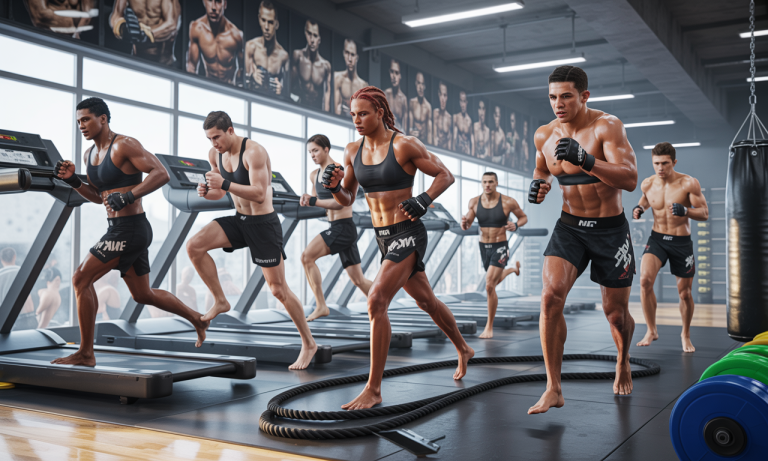
- Physical conditioning: Strength and endurance routines, supported by equipment from Title Boxing and Everlast, enable fighters to maintain peak form throughout rounds.
- Mental fortitude: Mental training, including visualization and meditation, builds the confidence used to withstand high-pressure moments inside the octagon.
By combining these facets, coaches serve as the architects of a fighter’s success, creatively blending science and strategy to prepare them fully for every scenario.
Elite UFC Coaches Who Redefined Training Excellence
Trailblazers like Greg Jackson, Firas Zahabi, and Mike Winkeljohn have established benchmarks within the coaching world, guiding legends such as Jon Jones, Georges St-Pierre, and Holly Holm to victory. Their reputations stem from innovations in training methodology and an unwavering commitment to crafting customized coaching blueprints.
- Greg Jackson: Known for strategic depth and opponent-specific game planning, setting a new standard for tactical foresight.
- Firas Zahabi: Emphasizes technical precision and well-rounded skill development, aided by cutting-edge training gear from RDX Sports.
- Mike Winkeljohn: Focuses on aggressive striking paired with mental toughness, equipping fighters to dominate physically and psychologically.
Their influence continues to ripple throughout the UFC, inspiring a new generation of coaches to adopt holistic and adaptive approaches.
Building Physical and Psychological Resilience: The Coach’s Dual Mandate
In an environment where every punch and counter can dictate destiny, coaches act as the linchpin connecting physical prowess with mental resilience. They sculpt athletes who exhibit peak fitness while maintaining unwavering focus under pressure.
- Strength and endurance: Incorporation of advanced conditioning programs using equipment from Hayabusa and Title Boxing boosts stamina and power.
- Weight management and nutrition: Collaborations with nutritionists ensure fighters make weight healthily, supported by gear from TapouT enhancing recovery and mobility.
- Mental coaching: Techniques like mindfulness and motivational guidance help combat pre-fight anxiety, maintaining clarity and optimism.
- Injury prevention and recovery: Through careful monitoring and rehab protocols, fighters avoid burnout and sustain longevity in the sport.
Coaches seamlessly integrate these elements, providing fighters with the tools to endure grueling fight camps and the octagon’s relentless demands.
The Tactical Genius Behind Fight Night Decisions
The rapid pace inside the octagon requires coaches to exhibit sharp analytical skills and decisive action. Their live input during fights, adjustments based on opponent behavior or fight flow, often shifts momentum decisively.
- Real-time strategy shifts: Coaches observe patterns and recommend changes, adapting offensive and defensive techniques instantaneously.
- Motivational support: Words from the corner instill urgency and resilience, reinvigorating fighters between rounds.
- Game plan reinforcement: Coaches ensure fighters remain focused on their core strategy amidst chaos.
This dynamic interaction underlines the indispensable role coaches play in not only preparing fighters but actively influencing outcomes during competitions.
Fostering Unique Fighting Styles through Personalized Coaching
Every fighter carries a distinct blend of strengths and preferences. Coaches recognize this uniqueness and tailor training to amplify it, creating signature styles that stand out in the crowd.
- Strength enhancement: Emphasizing natural talents like grappling or striking to build specialty techniques.
- Weakness mitigation: Developing complementary skills or defensive tactics to offset vulnerabilities.
- Signature moves: Crafting exclusive combinations and footwork patterns that maximize efficiency and unpredictability.
Such personalization ensures fighters not only survive but thrive in the competitive UFC landscape, constantly evolving their approaches to outsmart opponents.
The Path Forward: Coaching Innovation in UFC Beyond 2025
As mixed martial arts unfolds into a new era of athleticism and technology, coaching methodologies continue to evolve. Emerging trends include:
- Data-driven analysis: Utilization of biometric monitoring and fight analytics to refine training and strategies.
- Virtual reality training: Simulated fight scenarios enhancing decision-making and reaction times.
- Personalized regimens: Leveraging AI to craft ever-more customized workout and recovery plans.
- Global knowledge exchange: Integration of diverse martial arts philosophies from international coaching experts.
With these advancements, UFC coaching will continue shaping the federation’s future champions and pushing the sport’s boundaries.
For those intrigued by mastering complex performance balances, exploring the challenges of managing multiple demanding roles offers complementary insights. Understanding how to juggle two jobs effectively can illuminate strategies of prioritization, resilience, and stamina that are equally vital for elite athletes and coaches.