How fan engagement is changing the MLB landscape
The landscape of Major League Baseball (MLB) is undergoing a transformative shift fueled by evolving fan engagement strategies.


The landscape of Major League Baseball (MLB) is undergoing a transformative shift fueled by evolving fan engagement strategies. The traditional model, where spectators watched games from wooden bleachers and followed scores with paper and pencil, has given way to a dynamic and immersive experience shaped by technological innovations and social media connectivity. In 2025, the integration of real-time data, interactive platforms, and personalized content is redefining how fans connect to the sport, altering everything from game day attendance to player branding and league marketing strategies. As MLB adapts to the digital age, platforms like FanGraphs, Ticketmaster, and StubHub play pivotal roles in facilitating access and information, while media outlets such as ESPN and Baseball America amplify fan interactions. This shift has not only expanded baseball’s reach but also deepened the emotional and social connection fans have with teams and players, heralding a new era for America’s pastime.
Evolution of MLB Fan Experience Through Technological Advances
The baseball experience has dramatically evolved from the early 20th century’s simple ballpark visits to today’s complex entertainment ecosystems. Modern MLB stadiums now serve as vibrant mixing grounds for technology, entertainment, and sport, offering fans unparalleled engagement opportunities.
- Digital Ticketing and Seating: The partnership with Ticketmaster and StubHub has revolutionized access, allowing fans to buy, sell, or transfer tickets seamlessly, often with personalized seat recommendations.
- Real-Time Stats and Analysis: Through platforms like FanGraphs and Baseball America, fans enjoy instant access to advanced metrics during games, enriching their understanding and appreciation of the sport.
- Mobile Integration: Stadium apps give fans tools to order food, locate amenities, and engage with interactive content, making the game experience both convenient and entertaining.
- Streaming Services: With FuboTV and ESPN, fans can follow live games and exclusive content virtually anywhere, expanding baseball’s reach beyond traditional physical venues.
These developments illustrate how technological advancements actively shape MLB’s fan experience, fostering deeper involvement and patronage.
Impact of Analytics on Fan Engagement and Game Appreciation
Advanced analytics have infused new life into fan interaction, as deeper insights into player performance and team strategies become easily accessible during games. Sabermetrics, made popular by platforms such as FanGraphs, have shifted fan focus from traditional statistics to complex performance indicators.
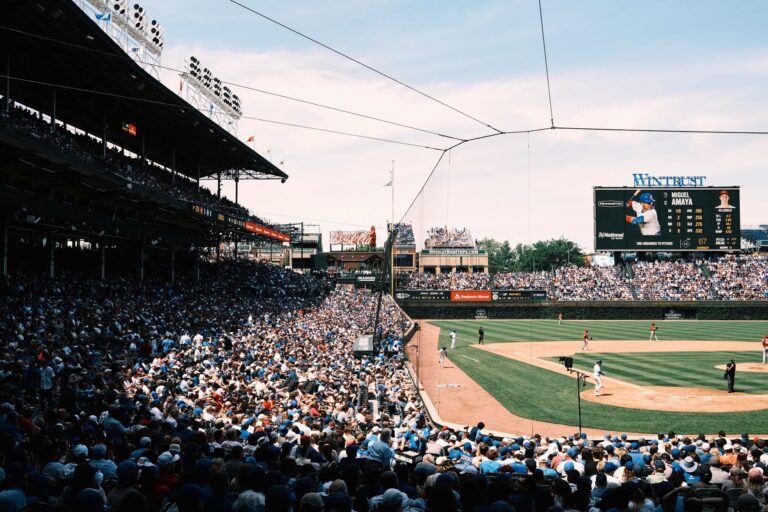
- Enhanced Scoreboard Displays: Modern ballparks incorporate large digital screens presenting detailed stats, helping fans engage with the strategic facets of baseball in real time.
- Fan Education: Analytical content educates newcomers and seasoned fans alike, supporting a culture of informed viewership.
- Fantasy and Betting Integration: Services like FanDuel empower fans to participate in fantasy leagues and sports betting, adding a layer of competitive excitement.
This analytical insight not only enriches the fan experience but also promotes loyalty by making the game intellectually stimulating and personally rewarding.
Social Media’s Role in Connecting Fans, Players, and Teams
Social media platforms have revolutionized the relationship between MLB players, teams, and their audiences, breaking down previous barriers and fostering active, two-way communication. Twitter, Instagram, and emerging platforms allow fans to engage instantly with players and franchises, accessing exclusive content and participating in game-day discussions.
- Player Branding: Players use Instagram and Twitter to share personal stories and interact with fans, which enhances authenticity and strengthens fan loyalty.
- Fan Communities: Facebook and Reddit provide forums for fans to discuss games, strategize, and organize support for their teams.
- Content Sharing: User-generated content, including memes and highlight reels, spreads enthusiasm and sustains continuous interest in baseball’s culture.
- Real-Time Interaction: Live tweeting and polls during games keep fans connected and make watching a collaborative, social experience.
These social dynamics empower fans and amplify engagement, helping MLB maintain relevance in a digital-first world.
Strategic Use of Social Media by MLB Teams and Organizations
MLB franchises and the league leverage social media as a core component in marketing and fan engagement strategies. By integrating content from game highlights to player interviews, teams craft compelling narratives that enhance fan investment throughout the season.
- Marketing Campaigns: Coordinated promotions and themed events are broadcasted through social channels, driving attendance and participation.
- Fan Data Analytics: Social media metrics help teams understand fan preferences and tailor personalized communications.
- Cross-Platform Promotion: MLB synchronizes efforts across television, mobile apps, and ballpark experiences for cohesive branding.
- Community Initiatives: Campaigns highlighting inclusivity and social causes connect broader societal values with sportsmanship.
By strategically managing their digital presence, teams maximize fan loyalty and expand their fan base globally.
Modern Ballparks as Multifaceted Entertainment Hubs
Gone are the days when MLB stadiums were solely places to watch the game. Today, ballparks are entertainment complexes designed to cater to diverse fan interests and needs, making game days unforgettable experiences.
- Gourmet Food and Beverage: From specialty craft beers to artisanal snacks, the food offerings rival those of top restaurants.
- Luxury and Family Amenities: Luxury suites and family-friendly zones ensure comfort for all demographics.
- Themed Events and Promotions: Events such as Star Wars nights, fireworks shows, and concerts add layers of entertainment beyond the game.
- Interactive Exhibits and Technology: Engaging exhibits and augmented reality experiences keep fans connected even before the first pitch.
These enhancements reflect MLB’s commitment to a holistic fan experience, encouraging more frequent and diverse attendance.