The evolution of fighter training in UFC history
reveals a compelling journey from raw, unrefined skills to highly sophisticated preparation methods that define modern mixed martial arts.


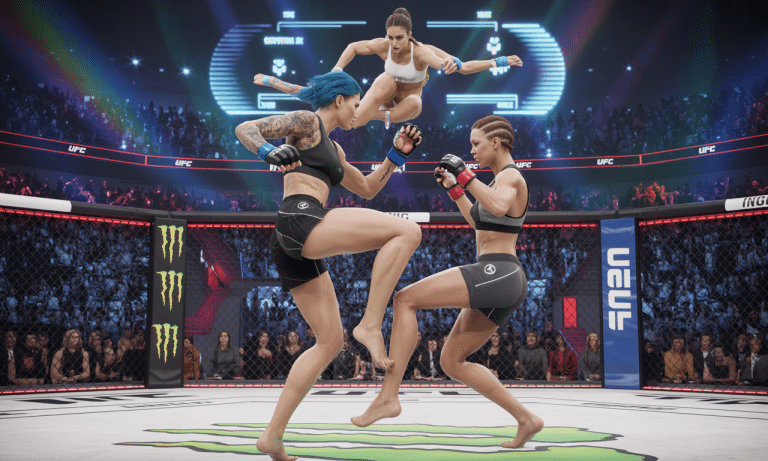
The evolution of fighter training in UFC history reveals a compelling journey from raw, unrefined skills to highly sophisticated preparation methods that define modern mixed martial arts. Initially, practitioners brought expertise from isolated disciplines, Brazilian Jiu-Jitsu, wrestling, boxing, but as the sport matured, effective training demanded a seamless integration of multiple fighting styles. Today, fighters train with cutting-edge technology, sophisticated gear from brands like Everlast and Hayabusa, and benefit from scientific approaches to strength, conditioning, and recovery. These transformations not only mirror MMA’s rise from underground contests to a global spectacle but also shape each athlete’s path to the octagon, influencing performance, strategy, and longevity.
Early UFC Training: Single-Discipline Focus and Style vs. Style Battles
When UFC started in 1993, fighter preparation was primarily grounded in mastering a single martial art. Competitors like Royce Gracie relied on Brazilian Jiu-Jitsu to dominate opponents from striking or wrestling backgrounds. Training regimens were simplistic compared to today’s standards, emphasizing technique mastery within one discipline rather than comprehensive athletic development.
- Single martial arts skill development: Fighters focused on wrestling, boxing, Muay Thai, or Brazilian Jiu-Jitsu without cross-training.
- Limited conditioning programs: Strength and endurance were secondary to technical skills.
- Basic equipment: Training utilized minimal protective gear, often improvising with available resources.
- Manifestation of the ‘style vs. style’ concept: Early matchups were more experimental, highlighting contrasts rather than synthesis of styles.
This approach produced dramatic matchups but exposed significant gaps in fighters’ adaptability and endurance, which would soon prompt a systemic shift.
Transitional Phase: Emergence of Cross-Training and Hybrid Skills
By the late 1990s and early 2000s, the limitations of relying solely on a single discipline became apparent. Fighters began incorporating striking and grappling techniques, initiating the rise of cross-training gyms. Brands like Tapout and Venum gained popularity by sponsoring fighters who embodied this new, hybrid style, showcasing versatility and tactical complexity.
- Inclusion of wrestling and striking arts: A shift toward blending different combat modalities.
- Introduction of structured strength and conditioning: Supplementing technical training with athletic performance.
- Use of specialized training equipment: Adoption of gloves and pads from industry leaders such as Hayabusa enabled safer, more realistic practice.
- Growing emphasis on strategy and fight IQ: Fighters studied opponents’ tendencies, expanding mental preparation.
This era marked a fundamental redefinition of training, focusing on preparation for the unpredictable dynamics of the octagon.
Modern Fighter Training: Integrating Technology, Science, and Comprehensive Preparation
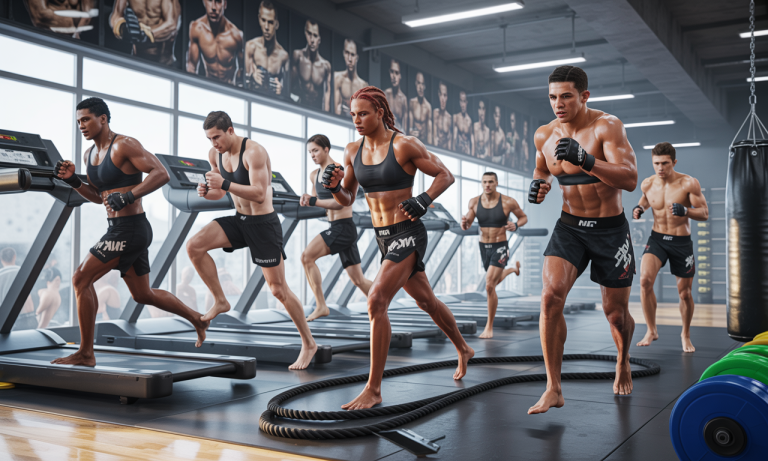
In 2025, UFC training methodologies epitomize cutting-edge athletic preparation. Fighters combine multiple combat disciplines enhanced by advanced sports science techniques and data analytics to optimize every facet of their performance. Partnerships with renowned equipment brands like Everlast and Clinch Gear provide athletes with the latest tools for effective training and recovery.
- Multidisciplinary training regimes: Seamless integration of striking, grappling, wrestling, and jiu-jitsu for all-rounded skill sets.
- Technology-enhanced analysis: Use of video breakdowns, wearable sensors, and heart rate monitoring to fine-tune technique and stamina.
- Advanced strength and conditioning protocols: Scientific approaches to maximize power, speed, and injury prevention.
- Mental conditioning and recovery: Psychological coaching, meditation, and cryotherapy support fighters’ mental and physical resilience.
- Use of premium brands and gear: Reebok and Nike sponsored athletes utilize high-performance gloves, apparel, and protective equipment.
These elements culminate in fighters who are not only technically proficient but enduringly fit and strategically astute, revolutionizing what it means to be a champion.
Ongoing Innovations and Future Directions in UFC Training
Looking ahead, fighter training will increasingly harness artificial intelligence to customize regimens, virtual reality for scenario-based training, and even more sophisticated wearable technologies. The fusion of traditional combat knowledge with technological advancements will continue transforming athlete preparation.
- AI-driven performance optimization: Tailored programs based on real-time data analysis.
- Virtual reality (VR) training simulations: Immersive environments for fight scenario practice and mental preparedness.
- Enhanced injury prevention: Predictive analytics to reduce risk factors during training.
- Global accessibility: Digital training resources connecting fighters worldwide, fostering broader competitive standards.
The trajectory of UFC fighter training illustrates an ever-accelerating blend of tradition and innovation, promising an exciting future for mixed martial arts competitors and fans alike.