How the NBA is evolving with new technology
As technology advances at a breakneck pace, its impact on the world of sports becomes increasingly profound, and the National Basketball Association (NBA) stands at the forefront of this evolution.


As technology advances at a breakneck pace, its impact on the world of sports becomes increasingly profound, and the National Basketball Association (NBA) stands at the forefront of this evolution. Beyond the electrifying plays on the court, the league integrates cutting-edge innovations that transform every facet of the game, from player performance and fan engagement to business strategies and operational efficiencies. Brands like Nike, Adidas, and Under Armour collaborate closely with tech companies such as Fitbit, Catapult, Microsoft, and IBM to push the boundaries of what’s possible in basketball today. This synergy between sport and technology not only enhances athletes’ capabilities but also revolutionizes how fans experience basketball, bridging the gap between live action and immersive digital interaction. In this rapidly changing landscape, the NBA is not just adapting; it is redefining the future of professional basketball through an array of groundbreaking technological applications.
Transforming Player Performance with Wearable and Biometric Technologies
The modern NBA player benefits immensely from wearable technology that monitors every movement and physiological metric in real-time. Companies like Fitbit and Catapult equip athletes with sensors that track exertion, heart rate, and biomechanical patterns during games and practices. This data enables coaching staff to customize training regimens and manage workload to optimize performance while minimizing injury risk.
- Real-time monitoring: Wearables gather continuous biometric data to assess fatigue and recovery status.
- Performance analytics: Motion capture and video analysis tools from Zebra Technologies and Hawk-Eye dissect mechanics such as shooting form and defensive agility.
- Injury prevention: Advanced algorithms correlate physical metrics with injury patterns, helping medical teams intervene proactively.
This fusion of data science and sports medicine elevates player health management, extending careers and enhancing on-court effectiveness. The precision enabled by these technologies offers franchises a competitive edge that transcends traditional scouting methods.
Immersive Training through Virtual Reality and Cognitive Simulation
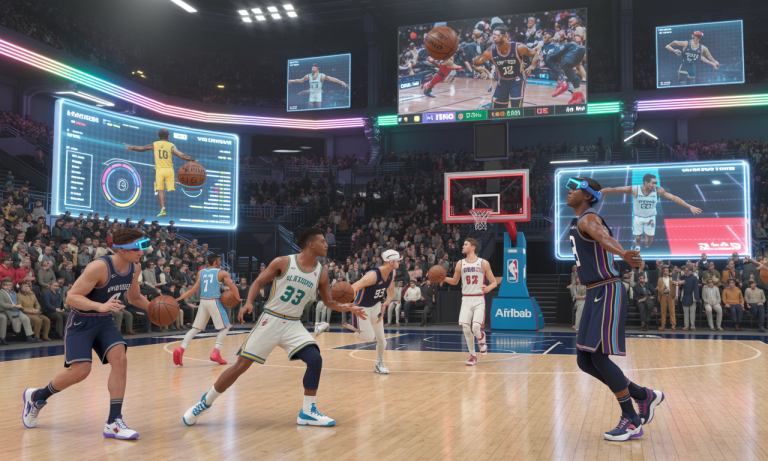
Virtual Reality (VR) is revolutionizing how teams prepare for competition. NBA organizations incorporate VR sessions to simulate game situations, allowing players to practice decision-making and tactics in immersive environments that mimic real-game pressure. This technology, often developed in partnership with companies like Microsoft, helps athletes build mental resilience and refine situational awareness.
- Game scenario simulation: Players rehearse plays and responses without physical strain.
- Mental conditioning: VR environments replicate crowd noise and distractions to boost focus.
- Strategic experimentation: Teams use VR to assess new tactics before testing them on the court.
Through this virtual lens, players gain an indispensable tool for sharpening both mind and body, supporting more comprehensive growth beyond physical exercises alone.
Enhancing Fan Engagement via Digital Platforms and Augmented Reality
The way fans interact with the NBA has been profoundly reshaped by digital innovations. Mobile apps powered by NBA collaborators such as Microsoft and IBM deliver personalized content, live stats, and second-screen experiences that deepen fan involvement during games. Augmented reality (AR) features introduce interactive overlays, bringing viewers closer to the action than ever before.
- Interactive live streams: Fans can select camera angles or access real-time player stats.
- Virtual meet-and-greets: Digital platforms enable fans to connect with players through holographic or VR sessions.
- Enhanced stadium tours: AR guides provide immersive experiences even for virtual visitors.
Such tech-driven fan engagement not only broadens the NBA’s reach but also cultivates a dynamic, global community passionate about basketball.
Data Analytics and AI: The Revolution Behind NBA Roster and Strategy Decisions
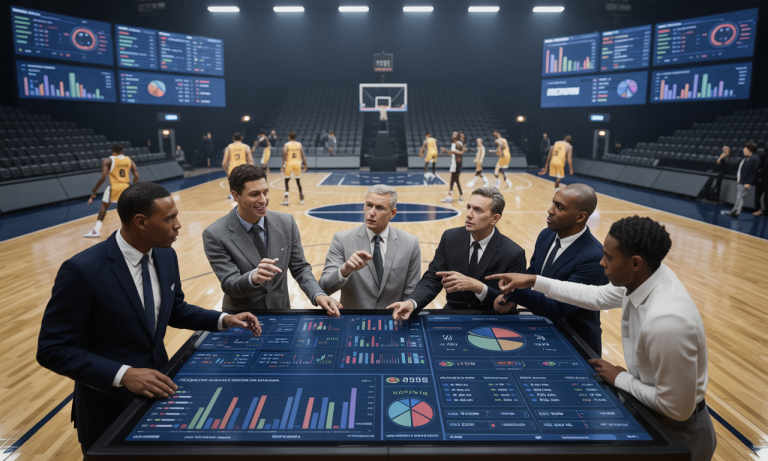
Behind the scenes, NBA franchises harness powerful data analytics and artificial intelligence to inform key decisions on player acquisition, lineup construction, and in-game tactics. Teams increasingly trust AI-driven models that scrutinize extensive datasets encompassing player statistics, health metrics, and even psychological factors.
- Predictive performance analysis: AI algorithms forecast player development and injury risk.
- Strategic roster building: Analytics guide trade and draft decisions to optimize team synergy.
- Game strategy optimization: Real-time data supports coaches in adjusting plays and rotations dynamically.
Industry giants like IBM and Microsoft provide platforms that bolster these analytics capabilities, enabling franchises such as the Boston Celtics and Toronto Raptors to pioneer data-driven team management models. This technical infrastructure signals a new era where numerical insight meets basketball intuition.
Expanding Business Frontiers: eSports, Digital Content, and Tech Partnerships
The NBA’s embrace of technology extends beyond the hardwood, permeating its commercial and entertainment initiatives. By partnering with gaming companies, the league has established NBA 2K eSports tournaments, connecting with younger demographics and generating fresh revenue streams. Additionally, the monetization of digital archives through streaming and social media leverages the league’s rich history and vibrant present to attract sponsorships and subscriptions.
- eSports collaborations: Competitive gaming tournaments engage a new generation of fans.
- Content monetization: Digitally distributed highlights, classic games, and original programming fuel diverse income channels.
- Innovative tech partnerships: Collaborations with startups and tech leaders drive ongoing innovation in fan experience and operational performance.
By integrating blockchain for contract management and AI for personalized marketing, the NBA not only innovates in basketball but also pioneers future-ready business practices. The league’s vision positions it as a multifaceted entertainment powerhouse in 2025 and beyond.