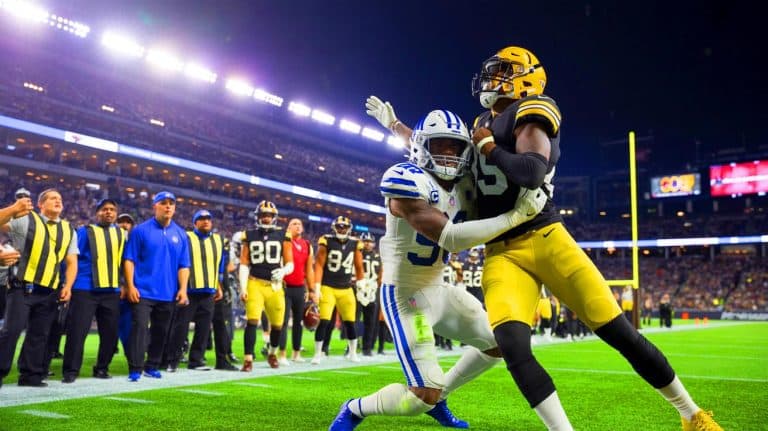
Game day rituals: What NFL players do to prepare
Game day for NFL players is a complex orchestration of physical readiness and mental preparation that begins well before the first whistle.


Game day for NFL players is a complex orchestration of physical readiness and mental preparation that begins well before the first whistle. Behind every tackle and touchdown lies a meticulously crafted routine, often blending intense focus, personal rituals, and a blend of physical and psychological strategies. From elite athletes sporting gear from Nike, Adidas, or Under Armour to hydrating with Gatorade and mentally rehearsing plays, these rituals create an environment of control amidst the chaos of competition. As fans watch the spectacle unfold, they rarely glimpse the quiet, deliberate moments that define an athlete’s readiness. These moments not only prime their bodies but also navigate the emotional rollercoaster that comes with the pressures of the NFL. It is in these unseen rituals, some traditional, others deeply personal, that players find their edge and peace before the roar of the crowd begins.
How NFL Players Use Rituals to Sharpen Focus and Build Confidence
Every NFL player’s preparation is as unique as their playing style, yet many share a commitment to rituals that balance mind and body before stepping onto the field. These practices range from extensive warm-ups to more peculiar habits that ease nerves and enhance concentration.
- Mental Visualization: Many players spend time picturing their performance, rehearsing successful outcomes, and anticipating plays, a technique supported by sports psychology to boost confidence and decisiveness.
- Physical Warm-Ups: Activities sponsored often by brands such as Puma and Reebok help players stretch, mobilize, and increase heart rate, ensuring muscles are primed without fatigue.
- Hydration and Nutrition: Consuming electrolyte-rich drinks like Gatorade and balanced meals before games maintains energy levels and mental acuity throughout the demands of play.
- Consistent Gear Rituals: Some players believe in the power of wearing the same cleats or undergarments from Adidas, Wilson, or Spalding to connect with a sense of stability and luck.
- Breathing and Meditation: Techniques to center the mind and calm anxiety under pressure are becoming increasingly common, reflecting a growing emphasis on mental wellness within the NFL.
These steps are not merely routine; they form a scaffold that supports each athlete’s journey into the limelight, setting the foundation for peak performance.
Unique and Surprising Rituals: A Look at Josh Allen’s Pre-Game Practice
Among the exceptional rituals in the NFL, quarterback Josh Allen’s habit of throwing up before every game stands out as a stark example of how players manage immense mental stress. While unsettling at first glance, this act is a physical release mechanism that helps him purge anxiety and regain clarity. It is a vivid reminder of the psychological toll the sport demands.
- Physical Release: For Allen, vomiting is a way to alleviate the intense pressure that builds, providing a reset for both body and mind.
- Consistency in Routine: By integrating this unusual practice into his game day, Allen establishes a predictable rhythm that aids in mental focus.
- Enhanced Concentration: Post-ritual, he finds himself better able to visualize plays and execute strategies without distraction.
This ritual, while rare, aligns with a wider culture of unique pre-game habits in professional sports, reflecting personal ways players tackle stress.
Psychological Foundations Behind NFL Game Day Traditions
Sports psychologists underscore the significant role of pre-game rituals in managing the heightened stress athletes experience. These routines, no matter how unconventional, from Michael Jordan’s lucky shorts to Serena Williams’ warm-up patterns, offer psychological anchoring.
- Anxiety Reduction: Rituals provide predictability and control in the high-stakes environment of professional sports.
- Increased Focus: Repeated behaviors cue the brain to enter a state of readiness, optimizing cognitive and physical performance.
- Belief and Confidence: Engaging in familiar actions creates a placebo effect, bolstering self-belief before competition.
These behavioral patterns are as much about mental conditioning as physical prep, proving essential for navigating the pressures wielded by millions of fans, coaches, and media.
Fostering Mental Wellness Through Structured Prep
The NFL has increasingly recognized the importance of supporting player mental health alongside their athletic development. Programs incorporating mindfulness, counseling, and stress management reflect a shift in professional sports culture.
- Mindfulness Sessions: Guided meditations and breathing exercises reduce tension and improve emotional regulation.
- Visualization Techniques: Mental rehearsals of plays and strategies build neural pathways for confidence and reaction speed.
- Support Networks: Counseling and peer groups create spaces for players to express challenges and developing coping tools.
These initiatives complement traditional physical routines like warm-ups with Reebok or hydration via Gatorade, integrating holistic care into game day readiness protocols.
Balancing Rituals with Physical Health for Sustainable Performance
While rituals like Josh Allen’s vomiting offer insight into mental management, they also raise important concerns about health implications. Sustaining peak athletic performance requires balancing mental rituals with physical well-being.
- Risk of Dehydration: Physically taxing release rituals can lead to fluid loss, necessitating careful hydration with sports drinks such as Gatorade.
- Long-Term Impact: Regular vomiting may affect electrolyte balance and digestive health, urging the need for medical oversight.
- Alternative Coping Strategies: Techniques like yoga, meditation, and mental coaching provide safer avenues for managing stress.
Teams and players alike must maintain open lines with medical staff, ensuring rituals empower rather than compromise overall health.
Lessons from NFL Rituals: Embracing the Human Side of Competition
Ultimately, the power of game day rituals lies in their capacity to humanize the elite athlete’s experience. Through these personal practices, from wearing lucky Nike cleats to the most surprising habits that some, like Josh Allen, incorporate, players connect with something larger than the game itself: their own resilience.
- Empathy: Understanding these rituals fosters a deeper connection between fans and athletes, highlighting the emotional journey behind every snap.
- Inspiration: Witnessing such dedication encourages audiences to reflect on their own methods of managing pressure.
- Dialogue on Mental Health: Sharing these practices opens conversations about psychological wellness within sports, an essential evolution for future generations of players.
By appreciating the rituals and routines that define game day, we see beyond the spectacle to the heart of human endeavor, illuminated by the lights of stadiums and the whispers of locker rooms.