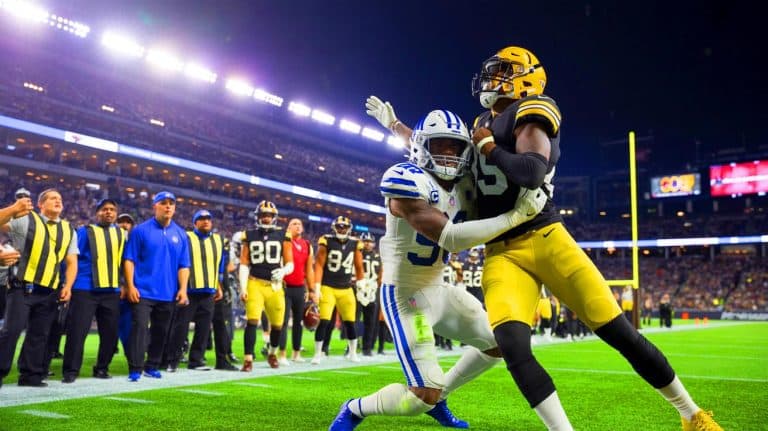
How the NFL is addressing player safety and health
The National Football League (NFL) remains a spectacle of athleticism and passion, captivating millions of fans each season.


The National Football League (NFL) remains a spectacle of athleticism and passion, captivating millions of fans each season. Yet, beneath the high stakes and electrifying moments, concerns about player safety and long-term health are increasingly shaping the conversation around the sport. Each year brings awareness of injuries like concussions and ligament tears, as well as chronic risks such as CTE and cardiovascular issues among retired players. Responding to these challenges, the NFL has taken significant steps to safeguard its athletes. From enhanced equipment by pioneers like Riddell, Schutt, and Xenith to stricter concussion protocols and innovative training monitors powered by Datalys Technology and InMotion, the league demonstrates its commitment to protecting players’ wellbeing while preserving the sport’s competitive spirit.
Understanding the Intense Physical Demands and Injury Risks in the NFL
The NFL demands unmatched physical prowess, with players subjected to intense conditioning regimes tailored to their specific roles. Quarterbacks rely on arm strength and precision; linemen build formidable mass and power; running backs cultivate explosive speed and agility. Training programs incorporate weightlifting, plyometrics, cardiovascular workouts, and flexibility exercises to optimize performance and reduce injury risk.
- Weightlifting: Develops muscle strength vital for physical confrontations on the field.
- Sprinting: Enhances acceleration, critical for breaking tackles and chasing opponents.
- Plyometrics: Builds explosive power for jumping and quick directional changes.
- Cardiovascular workouts: Boost endurance to maintain peak performance throughout demanding games.
- Flexibility routines: Reduce the likelihood of strains and improve overall mobility.
Despite rigorous preparation, the sport’s inherent risks manifest through frequent injuries such as concussions, ACL tears, and shoulder dislocations. Physical strain and repeated impacts emphasize the necessity of continuous safety enhancements, further underscoring the NFL’s evolving medical and technological collaboration.
Common Injuries and Their Impact on Player Careers
Every NFL season records numerous injuries that can abruptly alter a player’s career trajectory. Concussions stand out due to their long-term neurological implications.
- Concussions and Head Trauma: Caused by collisions that result in rapid brain movement. The NFL’s stringent post-injury protocols ensure immediate assessment and monitored recovery.
- Knee Ligament Tears (ACL, MCL): Often require surgery and extensive rehabilitation, sidelining players for months.
- Shoulder Dislocations: Particularly affect quarterbacks and linemen, impacting throwing and blocking capabilities.
- Ankle Sprains and Hamstring Strains: Common among skill position players, these injuries can severely limit speed and agility during critical games.
Recognizing the frequency and severity of these injuries, the NFL actively partners with equipment manufacturers like Riddell, Schutt, and Xenith to develop helmets and padding that absorb impacts more effectively.
Long-Term Health Risks Beyond the Playing Field
Player safety concerns extend well into retirement, confronting former NFL athletes with chronic ailments affecting brain, joints, heart, and mental wellness. The legacy of repeated trauma manifests primarily through chronic traumatic encephalopathy (CTE), joint deterioration, and cardiovascular challenges.
- CTE: Linked to repeated concussive and subconcussive impacts, CTE poses severe cognitive and emotional risks that have prompted the NFL to invest heavily in advanced helmet technology by Under Armour and Nike as well as comprehensive concussion protocols.
- Joint and Musculoskeletal Issues: Years of wear lead to arthritis and chronic pain, often requiring lifelong management via physical therapy.
- Cardiovascular Concerns: Vigorous play combined with increased body mass may contribute to heightened risks of hypertension and heart disease after retirement.
- Mental Health Challenges: Transitioning away from professional sports can induce anxiety, depression, and identity loss; support programs championed by the NFL help mitigate these effects.
Addressing these enduring health concerns remains a priority for the league, encouraging innovations in recovery strategies and post-career support systems, including partnerships with healthcare organizations and the NFL Players Association.
How Advanced Equipment and Medical Protocols Protect Players
To reduce injury risk, the NFL has adopted stringent equipment standards and medical guidelines that influence every facet of player safety.
- Helmets: Innovated by companies such as Riddell and Schutt, helmets now feature enhanced padding and impact-dissipation materials targeting concussion reduction.
- Padding: Shoulder and knee pads have evolved, with brands like Under Armour and Nike investing in cutting-edge designs that maximize protection without hindering mobility.
- Concussion Protocols: Medical teams utilize immediate sideline evaluations and stepwise return-to-play criteria to safeguard neurological health.
- Practice Restrictions: Limiting full-contact practices reduces cumulative head trauma over the season.
- Medical Staffing: On-field medical professionals and independent neurologists ensure unbiased player health assessments.
These measures collectively contribute to observed declines in concussions and severe injuries, a testament to the league’s commitment to player welfare.
Collaborative Efforts and Technological Innovations in Player Safety
The NFL’s strategy for enhancing player health leverages data and partnerships to pioneer progressive safety solutions. Integrating technologies such as Datalys Technology tracking and InMotion’s performance analytics provides coaches and medical staff with real-time insights, optimizing training loads and injury prevention.
- Data-Driven Decision Making: Enables personalized monitoring of player conditions and early injury detection.
- Collaboration with NFL Players Association: Ensures player perspectives inform rule changes and safety improvements.
- Research Funding: Supports studies on concussion impacts, equipment efficacy, and recovery protocols.
- Support from Major Brands: Gatorade contributes to hydration and recovery science, while EA Sports promotes awareness through realistic virtual simulations.
Continuous innovation injects new life into safety initiatives, reflecting a forward-looking approach that balances the NFL’s competitive nature with holistic player health.
Positioning the NFL among Other Contact Sports
Examining injury rates reveals that the NFL’s risks, though significant, are comparatively moderate alongside other contact sports. Rugby exhibits higher injury frequency, while soccer sees fewer reported cases.
- Injury Rates per 1,000 Athlete Exposures:
- NFL: 6.5
- Rugby: 11.7
- Hockey: 8.3
- Soccer: 5.4
- NFL: 6.5
- Rugby: 11.7
- Hockey: 8.3
- Soccer: 5.4
- Injury Types: NFL players face concussions and joint ligament tears predominantly; rugby players more frequently sustain broken bones; hockey involves more shoulder and knee injuries; soccer injuries lean towards ACL and ankle issues.
- Safety Efforts: Across sports, evolving rules around tackling, contact, and protective gear aim to lower injury risks. The NFL’s adoption of targeting rules and equipment upgrades exemplify this trend.
This comparative perspective underlines the importance of sport-specific safety strategies while recognizing the shared challenges inherent in all high-impact competitions.