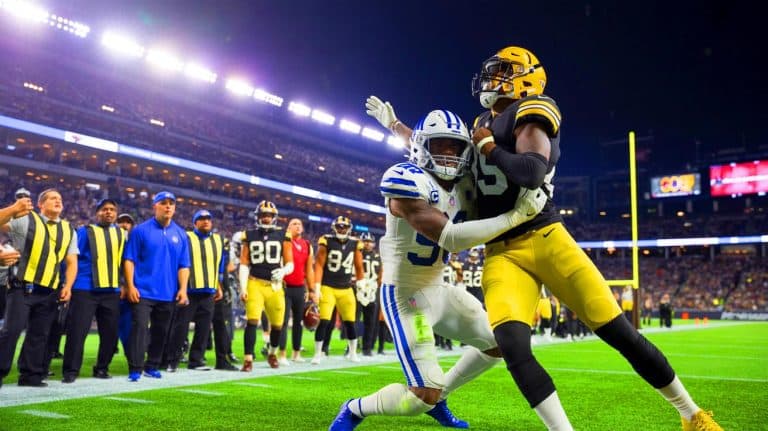
How NFL strategies have evolved over the last decade
Over the last decade, the NFL has witnessed a dynamic transformation in its strategies, shaped by technological advancements, evolving player dynamics, and a deeper embrace of analytics.


Over the last decade, the NFL has witnessed a dynamic transformation in its strategies, shaped by technological advancements, evolving player dynamics, and a deeper embrace of analytics. This evolution has not only altered the game’s pace and complexity but also reshaped the fan experience, partly influenced by partnerships with major brands like Nike, Under Armour, and Wilson. From aggressive playcalling and revamped special teams to the integration of cutting-edge player tracking technologies and the rise of streaming platforms, the NFL’s strategic landscape has continuously adapted to new challenges and opportunities. The surge in offensive creativity, inspired by college spread concepts, and the new guard of dynamic quarterbacks have redefined competition. Meanwhile, enhanced safety measures and salary restructuring further stress the league’s commitment to player welfare and competitive balance. As these factors intertwine, the NFL today stands as a vibrant mix of tradition and innovation, captivating audiences worldwide.
Embracing Aggressiveness and Analytics: The New Playcalling Paradigm
One of the most significant shifts in NFL strategies over the past decade is the embrace of a more aggressive style of playcalling, largely propelled by sophisticated analytics. Coaches and franchises have increasingly challenged conventional caution by:
- Increasing fourth-down attempts by 55% in the first three quarters, reflecting a willingness to seize key opportunities sooner.
- Expanding two-point conversion attempts by a staggering 569%, with some daring to go for two even when trailing by eight points in the fourth quarter.
- Utilizing analytics beyond just fourth downs to heighten game excitement and unpredictability.
This aggressive mindset, often supported by data-driven insights, has enriched game dynamics, ensuring that fans enjoy more thrilling and strategic football moments. Partners like Fanatics and Kraft Sports have capitalized on these heightened emotions by delivering fan gear that matches the newfound intensity on the field.
Special Teams Revolution Driven by Rule Changes
The decade also saw profound changes in special teams that have affected game flow and safety:
- Relocating the kickoff line from the 30-yard to the 35-yard line in 2011 dramatically increased touchbacks from 16.4% to 60.9%, reducing high-risk returns.
- In 2015, moving the point-after-touchdown attempts back to the 15-yard line lowered conversion success to 93.9%, encouraging more two-point attempts.
- Kickoff coverage adjustments in 2018 aimed to enhance player safety, aligning with the NFL’s focus on reducing injuries.
Brands such as Wilson and New Era have leveraged these changes in their equipment and merchandise lines, emphasizing player protection and style.
A New Generation of Quarterbacks and Offensive Innovation
The NFL’s quarterback landscape has undergone a late-decade transformation, with veterans like Tom Brady and Peyton Manning giving way to electrifying talents such as Lamar Jackson and Patrick Mahomes. Key aspects include:
- The rise of dynamic, versatile quarterbacks who thrive in both passing and rushing phases.
- A surge in shotgun snaps from 56% to 79% of total plays, reflecting a strategic pivot inspired by college football schemes.
- A 36% increase in rushing yards by quarterbacks coupled with a 13% decrease for running backs, reshaping offensive balance.
This evolution relies heavily on modern gear from Adidas and Puma, outfitting players who are constantly pushing the boundaries of speed and agility. Furthermore, EA Sports captures these shifts with authentic gameplay in their virtual football franchises, bringing the latest tactics to fans worldwide.
Player Tracking and the Data Revolution
Technological advancements have revolutionized how teams monitor and improve player performance:
- Implementation of GPS and RFID chips to track player speed, distance, and positioning during games and practices.
- Integration of biometric data via NFL Players Association monitors to enhance injury prevention.
- Development of NFL Next Gen stats, which provide in-depth analytics used by coaches, analysts, and broadcasters.
Such innovations have deepened strategic insights and improved training effectiveness, with brands like Gatorade integrating hydration and recovery technologies aligned with these data-driven approaches.
Evolving Fan Experience: From Stadiums to Streaming Platforms
The 2010s marked the twilight of stadium relocations, concluding an era defined by high-profile team moves. Key developments include:
- Five new stadiums inaugurated during the decade, with the influx of state-of-the-art facilities like SoFi Stadium accommodating the Rams and Chargers.
- The cessation of major relocation threats outside of logistical considerations, reflecting stability in team communities.
- The gradual rise of internet game distribution through platforms like Amazon Prime, Twitter, and Yahoo, preluding potential exclusive streaming rights.
This expanded digital footprint enhances accessibility for fans and partners alike, including major sponsors such as Nike, who capitalize on these avenues for global brand exposure.
Balancing Player Safety and Practice Limitations
Player welfare took center stage with collective bargaining agreements reshaping practice routines:
- Offseason programs capped at nine weeks with restrictions on two-a-day and padded practices.
- Limits on in-season padded practices to 14, prioritizing health without sacrificing competitiveness.
- New camp rules in 2020 specifying practice duration limits and acclimation periods to optimize training safely.
While these changes challenge coaching methods, they ultimately foster longevity and quality of life for athletes, simultaneously influencing how brands like Under Armour design performance wear tailored to safer, more efficient training environments.
Transformations in League Management and Game Administration
Behind the scenes, governance and game management have adapted significantly:
- An increase in replay use, with final decisions centralized under the NFL officiating office, ensures fairer and more accurate outcomes.
- Expanded authority for officiating executives to address unsportsmanlike conduct and egregious plays.
- Salary redistribution post-2011 CBA necessitating smarter contract strategies, favoring younger players and enabling star quarterbacks to remain cost-effective early in their careers.
These administrative innovations work in tandem with the league’s commitment to quality competition and transparency, mirroring advancements in the fan merchandise and licensing sector by companies such as Kraft Sports.
As the NFL continues advancing into the new decade, this fusion of tradition, innovation, and data-driven strategy promises a compelling future for the sport, its players, and millions of fans worldwide.