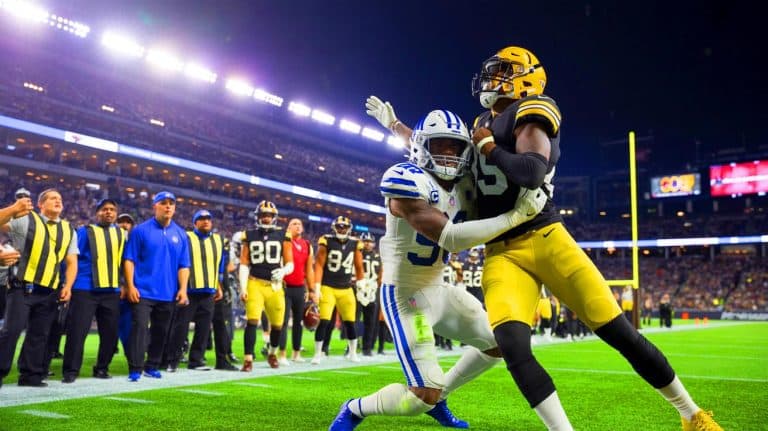
The role of technology in enhancing NFL game performance
In the ever-evolving landscape of the National Football League, technology has emerged as an indispensable ally in the quest for peak performance.


In the ever-evolving landscape of the National Football League, technology has emerged as an indispensable ally in the quest for peak performance. From the pulsating roar of stadiums to the intimate setting of living rooms, innovations have transformed how fans engage with the game and how players and coaches prepare and execute their strategies. Wearable technology tracks every sprint, tackle, and pivot, delivering a wealth of data that analysts translate into actionable insights. Virtual and augmented reality tools are reshaping training regimens, enabling athletes to rehearse plays in fully immersive environments. Coupled with sophisticated video analysis and health monitoring systems, these advancements not only enhance game-day strategy but also prioritize player safety. As the NFL balances tradition with innovation, the symbiotic relationship between technology and football continues to redefine the limits of athletic performance and fan experience in 2025 and beyond.
Integrating Wearable Technology and Player Tracking to Boost NFL Performance
The use of wearable technology has transformed how NFL teams monitor player performance and health in real time. Embedded sensors in gear relay precise data on movements, speed, and physiological conditions, enabling tailored training and in-game adjustments.
- RFID-based player tracking: Since 2014, RFID tags embedded in shoulder pads and game balls capture detailed positioning and motion metrics during matches.
- Health monitoring devices: Wearables track vital signs to preempt injuries and manage fatigue, ensuring athletes maintain peak condition throughout the season.
- Real-time analytics: Data dashboards provide coaches with instantaneous insights, critical for optimizing game strategies on the fly.
These tools collectively redefine preparation and in-game management, offering a competitive edge while fostering player well-being.
Advancements in Communication: Enhancing Coach-to-Player Strategy through Technology
Communication breakthroughs, notably in digital radio helmet systems, have revolutionized the coach-to-player interface amid the stadium’s formidable acoustics.
- Next-generation digital receivers: Launched in 2025, these compact modules improve audio clarity without compromising helmet safety or comfort.
- Wireless app integration: Equipment managers monitor radio systems via dedicated apps, ensuring seamless operations that keep players focused exclusively on performance.
- Historic evolution: From the early 1956 experimental radio helmets to the fully digital systems introduced in 1994 and refined over two decades, communication technology has steadily advanced, reducing timeouts and expediting play calls.
Clear, reliable communication is indispensable in fast-paced NFL games, where every second counts toward securing victory.
Transforming Game Analysis with Video Technology and Advanced Analytics
Video analysis has become a cornerstone of modern NFL game strategy, with high-resolution cameras and Microsoft Surface tablets enabling on-the-fly tactical decisions.
- High-definition replay systems: Instant replay, enhanced by multiple camera angles and NFL Vision software, assists officials in making accurate calls swiftly.
- Sideline viewing technologies: Coaches access real-time color images on tablets, enabling zooming and in-depth scrutiny of formations and opponent tendencies.
- Analytics integration: Combining video with advanced metrics offers a holistic understanding, allowing for adaptive game plans that anticipate opponents’ moves.
This synergy between visual data and analytics sharpens the strategic edge of NFL teams.
The Vital Role of Instant Replay and Officiating Technologies in Maintaining Fair Play
Technological innovation has fundamentally improved officiating accuracy and fairness in the NFL, underscoring the league’s commitment to integrity.
- Instant replay advancements: Since its return in 1999, enhanced with Hawk-Eye SMART technology, replay reviews are multi-angled and faster, minimizing game disruption.
- Wireless headsets for officials: Introduced in 2014, headsets facilitate swift communication, bolstering coordination on penalties and game management.
- Art McNally GameDay Central: This state-of-the-art hub monitors live games, supporting officials with data and video resources to improve call accuracy.
Collectively, these technologies uphold the game’s competitive fairness, bolstering confidence among teams and fans alike.
Emerging Technologies Shaping the Future of NFL Game Performance
Looking ahead, the NFL continues to pioneer innovations that enhance performance while enriching fan engagement and ensuring player welfare.
- Virtual and augmented reality training: These immersive platforms offer safe, detailed rehearsals of plays and opponent strategies without physical strain.
- Advanced protective equipment: Helmets integrating liquid-filled layers and smart materials absorb impact forces more effectively, reducing concussion risks.
- Enhanced stadium experiences: SoFi Stadium and others utilize massive video displays and improved Wi-Fi to deliver dynamic, interactive viewing experiences for attendees.
These forefront technologies promise to evolve how the game is played, watched, and experienced, emphasizing continual progress.
Balancing Tradition and Innovation in the NFL’s Technological Evolution
While embracing cutting-edge devices and data-driven insights, the NFL remains mindful of preserving the essence and traditions that define the sport.
- Maintaining competitive integrity: Technology supplements rather than supplants human skill, ensuring authentic competition.
- Player safety considerations: Technological tools are integrated thoughtfully to reduce injuries without altering the fundamental nature of play.
- Fan engagement balance: Enhancements aim to enrich, not overwhelm, traditional viewing and stadium experiences.
This balanced approach fosters a future-ready league that honors its storied past while harnessing innovation for sustained excellence.