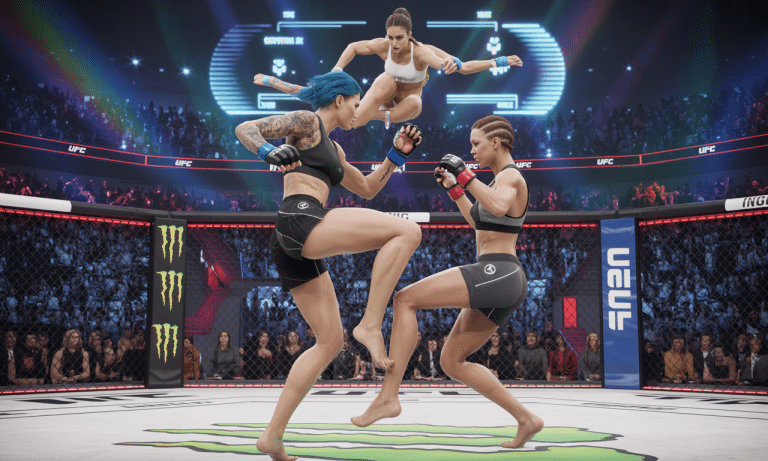
Understanding the rules of UFC and MMA competitions
Mixed Martial Arts (MMA) competitions like those held by UFC, Bellator, ONE Championship, and other top promotions have revolutionized combat sports by blending striking, grappling, and submission techniques into electrifying contests.


Mixed Martial Arts (MMA) competitions like those held by UFC, Bellator, ONE Championship, and other top promotions have revolutionized combat sports by blending striking, grappling, and submission techniques into electrifying contests. As these events draw millions worldwide, understanding the intricate rules and regulations governing these fights becomes crucial for fans and fighters alike. The sport’s evolution has focused heavily on fighter safety, fairness, and excitement, with organizations such as the UFC consistently updating their Unified Rules to reflect modern standards. Besides UFC, other promotions like the PFL, Invicta FC, Cage Warriors, LFA, Titan FC, KSW, and Rizin FF contribute their own nuances within this shared regulatory framework, each supporting the global growth of MMA. This overview delves into the core structure, rules, and judging criteria that define MMA competitions today, helping newcomers and enthusiasts alike appreciate the discipline and strategy behind the raw intensity inside the cage or Octagon.
Core Structure and Fight Format in UFC and MMA
The foundation of any MMA event lies in a standardized structure that ensures consistency and safety across promotions. Most organizations, led by the UFC, adhere to the Unified Rules of Mixed Martial Arts, a comprehensive rule set first drafted in 2000 and regularly refined.
Key elements shaping the fight format include the duration, rounds, and weight divisions:
- Rounds and Duration: Non-championship bouts typically consist of three rounds of five minutes each, while championship and main-event fights extend to five rounds. Each round is punctuated by a one-minute rest period to allow fighters recovery and strategic adjustments.
- Weight Divisions: To maintain equitable competition, fighters are classified into weight classes, ranging from strawweight (under 115 pounds) to heavyweight (over 265 pounds). Promotions including Bellator, ONE Championship, and Cage Warriors recognize similar divisions, restricting fighters to weigh-ins prior to competition ensuring fairness and safety.
- Fighting Arena: The renowned UFC Octagon, a fenced, eight-sided platform measuring 30 feet in diameter, provides a contained and safe environment for combat, a setup mirrored or adapted by other promotions like KSW and Rizin FF.
This framework supports a consistent and regulated experience, enabling fighters to focus on tactical preparation and execution within known parameters. As MMA continues to expand globally, maintaining these structural norms is critical in preserving the sport’s integrity and competitive spirit.
Equipment and Fightwear Regulations Across MMA Promotions
Ensuring fighter safety involves strict adherence to equipment and attire standards. Across UFC, Titan FC, Invicta FC, and others, these regulations include:
- Gloves: Fighters must wear 4 to 6-ounce padded gloves, designed to protect both the wearer’s hands and the opponent from excessive damage.
- Mouthguards and Protective Cups: Essential for preventing serious dental injuries and protecting sensitive areas.
- Clothing Rules: Only approved shorts and tight-fitting shirts are allowed; no zippers, pockets, or hard materials can be present, preventing accidental injuries or fouls related to grasping clothing.
Standardization of such equipment fosters fairness and reduces injury risk, enabling athletes across various promotions to compete within universally recognized safety protocols.
Prohibited Techniques and Fouls Ensuring Fighter Safety
Mixed Martial Arts pushes physical limits, but to guard against unjust tactics and hazardous maneuvers, a comprehensive list of fouls governs all sanctioned bouts. These fouls, enforced by vigilant referees, preserve sportsmanship and safety.
Common fouls across the UFC, PFL, Bellator, and other circuits include:
- Illegal Strikes: Striking the back of the head, spine, throat, or groin is strictly forbidden due to the high risk of serious injury.
- Prohibited Grips and Actions: Hair pulling, eye gouging, biting, fish hooking, and grabbing the fence or opponent’s gloves/shorts breach the rules and result in penalties.
- Unsportsmanlike Conduct: Actions such as spitting, using abusive language, attacking during breaks or after the bell, and throwing in the towel prematurely are penalized.
When fouls occur, referees may issue warnings, deduct points, or disqualify the offending fighter depending on the severity and intent. This system balances strict enforcement with opportunities to maintain fight continuity.
Examples of Major Fouls and Their Consequences
To illustrate the strict rule enforcement, consider a fighter delivering a knee strike to the head of a grounded opponent, a move banned due to its potential lethality. If caught, the referee can immediately deduct points or even halt the match if injury occurs. Similarly, persistent grabbing of the cage might lead to point penalties that could sway the judges’ final scoring. Such enforcement underscores the sport’s commitment to controlled aggression and athlete welfare.
Scoring System and Judge’s Criteria in MMA Contests
The excitement of MMA bouts is often magnified by the uncertainty of judging outcomes, governed by the 10-point must system adopted from boxing and refined for MMA’s unique challenges.
Judges score rounds considering several aspects:
- Effective Striking: Impactful punches, kicks, elbows, and knees that visibly affect the opponent or shift momentum.
- Effective Grappling: Successful takedowns, submission attempts, reversals, and ground control dominate this criterion.
- Effective Aggressiveness: The fighter’s ability to control the pace, seek engagement, and impose pressure on the opponent.
- Defense: Preventing damage through evasive maneuvers or counterattacks is also valued.
Each round is scored individually; typically, the round winner receives 10 points, while the opponent receives 9 or fewer depending on their performance deficits. If both fighters perform equally, a 10-10 draw may be scored, although this is rare.
Decision Types and their Implications in Competition
After all rounds are completed, judges’ scorecards determine the winner through various decision categories:
- Unanimous Decision: All three judges agree on the winner, reflecting clear dominance.
- Split Decision: Two judges pick the same fighter, while one judge favors the opponent, indicating a closely contested bout.
- Majority Decision: Two judges select one fighter as the winner, while the third scores a draw.
- Draw Outcomes: Unanimous, split, or majority draws can result if judges score fights evenly, occasionally necessitating sudden death rounds or rematches in certain organizations.
This nuanced judging system rewards all facets of MMA skill while encouraging fighters to exhibit decisive dominance.
Defining Match Outcomes: Victory Conditions in UFC and Beyond
Matches in MMA conclude through several recognized outcomes, each carrying specific rules and implications for fighters and fans:
- Knockout (KO): A fighter is rendered unconscious from strikes and cannot continue.
- Technical Knockout (TKO): The fight stops due to a fighter’s inability to defend themselves safely, often via referee or doctor intervention.
- Submission: The losing fighter “taps out” or verbally concedes after applying an effective submission hold.
- Decision: Judges’ scorecards decide the fight if it lasts all scheduled rounds without finishes.
- Disqualification and Forfeit: Serious rule violations or failure to meet fight requirements can lead to disqualification or forfeiting the match.
- No Contest: Situations such as accidental fouls causing premature stoppage may result in the fight being declared no contest.
This diversity of outcomes highlights MMA’s dynamic nature, where size, skill, and strategy intertwine with the strict sportsmanship upheld by the rules.
Unique Elements Differentiating Major MMA Promotions
While UFC leads the global charge, other organizations like Bellator, ONE Championship, and PFL incorporate their own rule nuances and promotional flairs:
- ONE Championship: Places emphasis on hydration testing and athlete safety when it comes to weigh-ins, reducing extreme weight cutting.
- PFL: Employs a season-based format with playoffs to enhance competitive dynamics.
- Invicta FC: Focuses on women’s MMA, conforming to Unified Rules but with attention to promoting female athletes.
- Cage Warriors and LFA: Often act as feeder leagues nurturing rising talent under closely aligned rules.
These variations illustrate the versatile yet cohesive framework under which MMA thrives globally, each organization contributing slightly different approaches to fighter care and fan engagement.