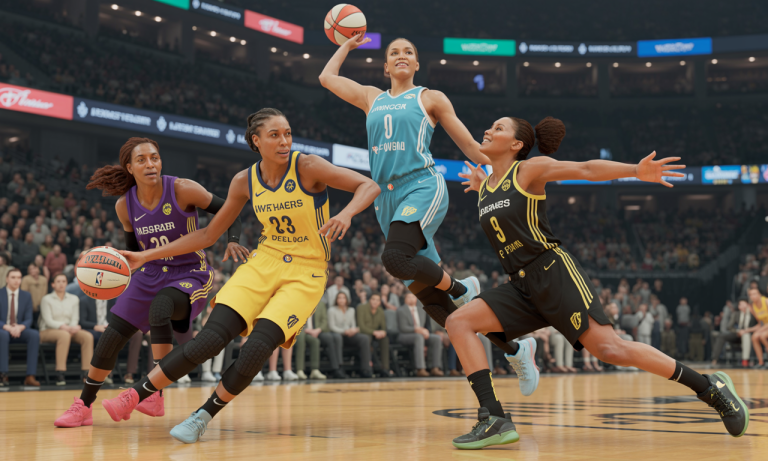
Analyzing the growth of viewership in women’s basketball
The landscape of women's basketball viewership has undergone a remarkable transformation, reaching unprecedented heights during the 2024/25 NCAA season.


The landscape of women’s basketball viewership has undergone a remarkable transformation, reaching unprecedented heights during the 2024/25 NCAA season. Driven by an expanding fan base and strategic broadcasting efforts, ESPN reported a 3% increase in regular-season viewership compared to the previous record-breaking year, and an impressive 41% rise from the 2022/23 season. This surge is not solely attributable to standout players but reflects a broader cultural and commercial shift that includes growing advertiser interest and expanding media coverage. Flagship games on ESPN and ABC attracted millions, with ESPN’s broadcast of South Carolina vs. UConn setting a season record of 1.8 million viewers. Moreover, this momentum extends beyond collegiate courts, impacting professional leagues and sports brands alike. Companies such as Nike, Adidas, and Jordan Brand are increasingly aligning themselves with women’s basketball, recognizing the sport’s engaged and diverse audience. Amidst this growth, women’s basketball is carving out a significant space in the sports media landscape, signaling a promising future for athletes, fans, and industry stakeholders.
Record-Breaking Viewership Trends in NCAA Women’s Basketball
Women’s college basketball has seen a consistent climb in audience engagement, culminating in the 2024/25 season achieving its highest ratings since 2008/09. ESPN’s platforms registered 2.9 billion minutes of live game consumption, showcasing a sustained commitment from viewers. Key data points highlight this surge:
- The average viewership per game on ESPN’s 87 broadcasts reached 280,000 viewers.
- A record 15 games attracted over 500,000 viewers each.
- ESPN’s flagship channel experienced a 13% increase in ratings over the previous season for women’s basketball.
- ABC’s enhanced coverage, including three games, averaged 1.3 million viewers, up by 120% from 2023/24.
- The broadcasting of marquee matchups, such as No. 5 UConn’s blowout of South Carolina, garnered a peak audience of 2.2 million viewers.
This elevation in viewership stems from more than one-off events; it represents a broad and growing enthusiasm for the sport across multiple demographics. Despite the Big Ten network rights remaining with other partners, the SEC continues to dominate audience shares.
Factors Driving Sustained Growth in Women’s Basketball Audiences
The expansion of viewership is rooted in several core drivers:
- Increased media exposure: Multi-platform broadcasts and prime time scheduling amplify access and visibility.
- Brand partnerships: Major brands like Nike, Adidas, Under Armour, and Puma sponsor teams and athletes, enhancing the sport’s reach and professionalism.
- Broader fan engagement: A diverse audience, including 43% male fans, coupled with younger demographics, creates dynamic viewership patterns.
- Advertiser investment: Advertising sales for women’s college basketball are nearly double those of the previous year, reflecting confidence in audience loyalty and engagement.
Clearly, women’s basketball has moved beyond niche appeal to become a mainstream attraction with a sustainable trajectory.
Commercial Impact and Brand Integration in Women’s Basketball
With viewership on the rise, the commercial landscape around women’s basketball is thriving. Enterprises such as Gatorade, Wilson, Spalding, Reebok, Converse, and Jordan Brand are deeply integrated into events and athlete endorsements, leveraging the sport’s expanded fan base to energize their marketing campaigns. This crossover boosts both brand visibility and consumer engagement through authentic connections.
- Gatorade’s sports science partnerships support athlete performance studies and promotional content.
- Wilson and Spalding continue as prominent suppliers of basketball equipment, highlighting high-performance gear in televised games.
- Reebok and Converse have launched limited editions and player-inspired footwear collections, cultivating a unique cultural connection with fans.
- Jordan Brand’s collaborations with female athletes symbolize empowerment, capturing long-term customer loyalty.
This synergy between sport and brand not only fuels the economic engine behind women’s basketball but also propels the visibility of female athletes as influential figures in sports and fashion.
Advertisers Capitalizing on Viewer Engagement and Diverse Audiences
Advertisers targeting women’s basketball audiences benefit from uniquely high engagement metrics. According to Nielsen data, women’s sports fans are:
- 74% primary household income earners, positioning them as economically empowered consumers.
- Highly likely to advocate for brands that demonstrate genuine support for women’s leagues and stars.
- Represented by a significant percentage of male viewers (43%), broadening the demographic appeal.
These insights explain the surge in advertising spend, with brands increasingly embedding themselves in the women’s sports narrative to harness the powerful brand loyalty displayed by fans.
The Broader Context: Women’s Basketball Within the Expanding World of Women’s Sports
The rising tide in women’s basketball viewership parallels growth in other women’s sports arenas. Global revenues for women’s sports increased to $2.35 billion in 2025, driven in part by new leagues and tournaments. Professional leagues like the WNBA have experienced a nearly 170% increase in regular season viewership compared to the previous year, underlining cross-level enthusiasm.
- Emerging leagues: Innovations such as the three-on-three Unrivaled basketball league reflect expanding formats and audience interests.
- Increased accessibility: Fans can now follow athletes across collegiate, professional, and international platforms more easily than ever.
- Role models and stars: Players from collegiate to professional ranks inspire new generations and elevate the cultural status of women’s basketball.
This expansion suggests a long-term cultural shift in sports consumption, where women’s basketball is a pivotal growth category.