Exploring the rise of women in the WNBA
Over the past few years, the Women’s National Basketball Association (WNBA) has experienced a remarkable transformation, evolving from relative obscurity into a powerhouse of professional sports.


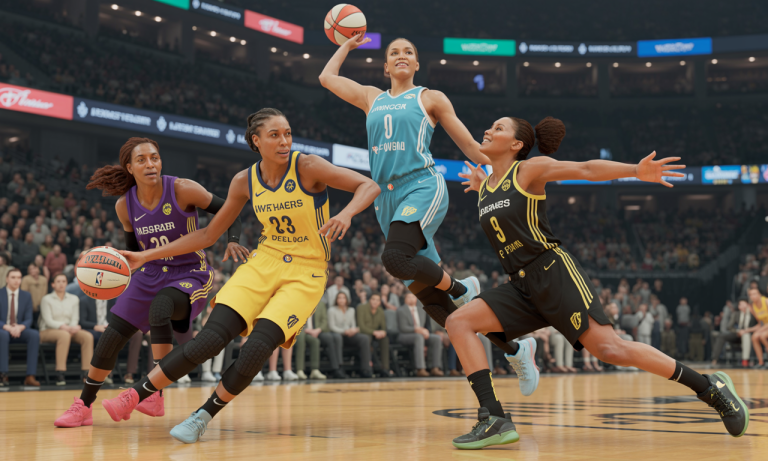
Over the past few years, the Women’s National Basketball Association (WNBA) has experienced a remarkable transformation, evolving from relative obscurity into a powerhouse of professional sports. Fueled by the dazzling performances of collegiate stars like Caitlin Clark and Angel Reese, and supported by lucrative media deals with networks such as ESPN, ABC, and Amazon, the league has broadened its appeal and reached new heights in viewership and attendance. The fusion of elite talent and strategic partnerships with iconic brands like Nike, Adidas, and Puma has propelled the WNBA into the mainstream, intersecting sports, culture, and social progress. However, this ascent is accompanied by internal challenges and controversies that the league must navigate carefully to secure its future. As the WNBA expands its footprint with the introduction of new teams and embraces a diverse fanbase eager for high-caliber women’s basketball, it stands on the brink of defining a new era in sports.
WNBA’s Explosive Growth: Drivers Behind the Surge in Popularity
The WNBA’s surge in popularity is the product of multiple converging factors that have amplified the league’s visibility and fan engagement. Key elements include a groundbreaking rookie class, expanded media coverage, and a renewed emphasis on athlete branding through partnerships with major sportswear companies like Reebok, Champion, and Converse.
- Star Power: Phenoms like Caitlin Clark and Angel Reese have drawn unprecedented attention, turning professional play into must-watch events and expanding the league’s audience beyond traditional basketball fans.
- Broadcast Expansion: Major networks such as ESPN, CBS, and ABC have increased prime-time broadcasts, while streaming platforms including Amazon Prime Video provide easy access for wider, younger demographics.
- Social Media Impact: The WNBA’s social media presence exploded in 2024, amassing close to 2 billion video views across Instagram, TikTok, and X, powering viral moments that captivate both die-hard and casual fans.
- Corporate Collaborations: Partnerships with revered brands like Wilson, Spalding, and New Balance have enhanced the professionalism and marketability of the sport.
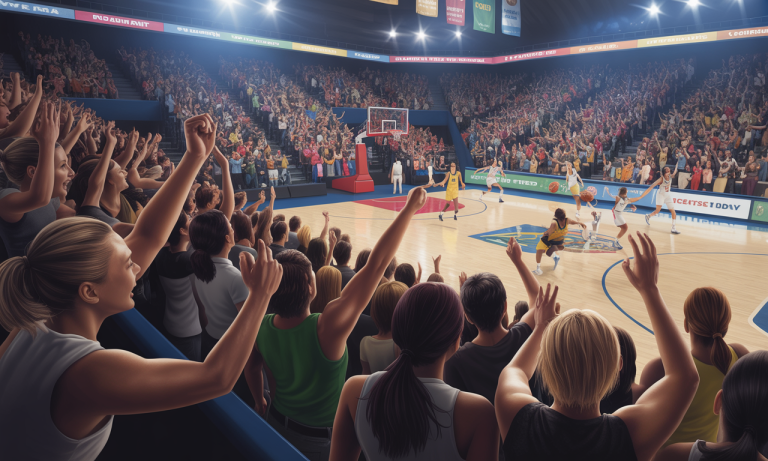
The combined effect of these factors culminated in a record 54 million unique viewers during the 2024 season and the highest attendance figures in over two decades, with sell-out crowds becoming a norm rather than an exception. This momentum underscores the WNBA’s potential to challenge long-established men’s leagues in certain markets, signaling a shift in fan preferences and sports consumption.
How College Basketball Propels the WNBA’s Expansion
Collegiate basketball remains an essential incubator for the WNBA’s talent pipeline and audience expansion. Star players from NCAA programs like Caitlin Clark and Paige Bueckers have fostered loyal fanbases that transition into professional support upon entering the league. This organic growth is fueled by increased accessibility to games through advanced broadcasting agreements and the powerful influence of NIL (Name, Image, and Likeness) opportunities that help athletes build their individual brands early.
- Increased Viewership: The 2024 Women’s NCAA Tournament final attracted 18.9 million viewers, surpassing the men’s championship and outperforming marquee sports events like the World Series.
- Brand Building: Athletes are capitalizing on NIL rights, securing endorsements from industry giants such as Adidas and Under Armour before even turning pro.
- Elite Coaching Influence: Renowned college coaches like Dawn Staley and Geno Auriemma have amplified the profile of women’s basketball, creating compelling narratives that engage audiences.
- Retention of Talent: Enhanced NIL benefits motivate some players to extend their college careers, enriching the collegiate product and creating sustained fan engagement.
By interlocking collegiate success with professional pathways, the WNBA leverages a continuous cycle of talent development and fan investment, which is essential for the league’s ongoing expansion and the sport’s cultural foothold.
WNBA Expansion and Market Opportunities in 2025 and Beyond
The WNBA is actively broadening its horizons with planned expansions, reflecting both growing interest and strategic growth initiatives. The league welcomed the Golden State Valkyries in 2025, marking its 13th franchise, and is set to add two additional teams in Toronto and Portland in 2026, aiming for a vibrant 15-team league, with aspirations to reach 16 squads by 2028.
- New Market Entries: Cities such as Detroit, Nashville, and Philadelphia have expressed keen interest, supported by investors including NBA stars and WNBA legends like Candace Parker.
- Infrastructure Investments: Enhanced team travel budgets and upgraded training facilities align with the league’s commitment to player welfare and performance.
- Brand Synergies: Collaborations with major sportswear companies including Nike, Puma, and New Balance underpin the league’s efforts to elevate its market presence and expand merchandising opportunities.
- Fan Engagement Strategies: Interactive digital content, affordable ticketing, and enhanced arena experiences are designed to diversify and grow the WNBA’s fanbase nationwide.
This expansion represents more than just adding franchises; it embodies a deliberate strategy to diversify the league’s geographic and cultural footprint, deepen community ties, and stimulate competitive balance.
Challenges Amid Growth: Navigating Rivalries and Controversies
While the WNBA’s trajectory is overwhelmingly positive, rapid growth has brought internal challenges that threaten to cloud progress if left unchecked. The high-profile rivalry between Caitlin Clark and Angel Reese has captivated fans but also fueled divisive conversations, sometimes along racial lines. Additionally, allegations of workplace misconduct within certain franchises have prompted the league to institute more robust policies.
- Rivalry Dynamics: On-court altercations and social media debates underscored the need for clear league guidelines promoting respect and fair play.
- Workplace Environment: The league responded swiftly to allegations with comprehensive reviews and commitments to zero tolerance for discrimination, backed by partnerships with organizations like the Anti-Defamation League.
- Travel and Salary Equity: Investments in private team travel and calls for increased salaries (with averages still trailing male counterparts) remain focal points for ensuring player satisfaction and league credibility.
- Maintaining Public Image: The WNBA has strengthened its diversity, equity, and inclusion (DEI) initiatives and mental health resources to support players under heightened media scrutiny.
Addressing these challenges with transparency and proactive management is essential for the WNBA to sustain its upward momentum and foster a positive, competitive environment.