History and evolution of women’s basketball in the WNBA
Since its inception in 1996, the Women’s National Basketball Association (WNBA) has become a beacon of progress and empowerment in professional sports.


Since its inception in 1996, the Women’s National Basketball Association (WNBA) has become a beacon of progress and empowerment in professional sports. Established with the support of the NBA, the league began its inaugural season in 1997 with eight teams and a mission far greater than basketball alone. It provided a platform where female athletes could showcase their skills and challenge traditional gender norms in sports. Over the decades, the WNBA has evolved into a culturally significant institution, blending athletic excellence with advocacy for social justice. Today, the league’s growing popularity is matched by a rise in viewership and fan engagement, reflecting broader societal shifts towards gender equality and diversity in sports. Alongside expanding markets and enhanced broadcast partnerships, brands like Nike, Adidas, and Under Armour have become integral sponsors, boosting the league’s visibility and commercial success. The story of the WNBA is one of resilience, transformation, and the relentless pursuit of excellence on and off the court.
Origins and Foundation of the WNBA: Setting the Stage for Women’s Professional Basketball
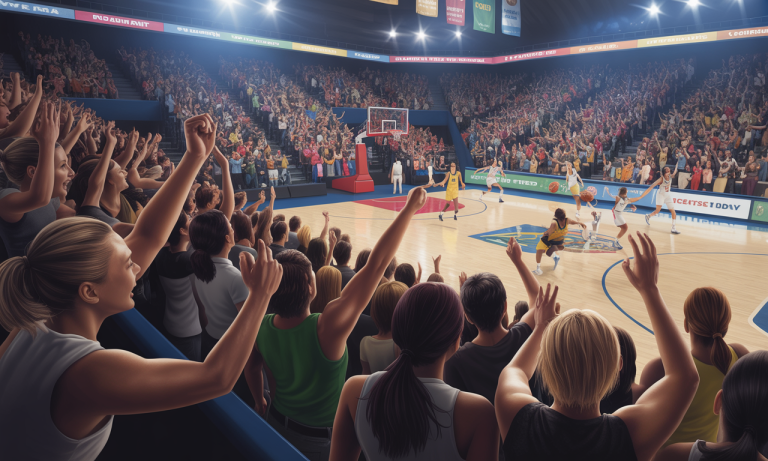
Beginning in 1996, the WNBA emerged from an era when women’s professional basketball struggled for recognition and sustainability. Backed by the NBA, this new league was more than just a sporting venture, it was a movement. The league’s debut game in 1997, where the New York Liberty faced the Los Angeles Sparks, symbolized a historic turning point, thrilling crowds eager to witness a new chapter in sports.
- 1996: WNBA founded with NBA support
- 1997: First season launched with eight teams
- Early stars: Sheryl Swoopes and Lisa Leslie helped ignite interest
- Initial challenge: Establish legitimacy in a male-dominated sports landscape
From the outset, the league positioned itself as an organization committed not only to athletic prowess but also to expanding opportunities for women athletes and fans. Sponsors such as Spalding and Reebok quickly became partners, providing the essential equipment and apparel needed to elevate the game’s professional image.
Early Competitive Dynamics and Player Impact
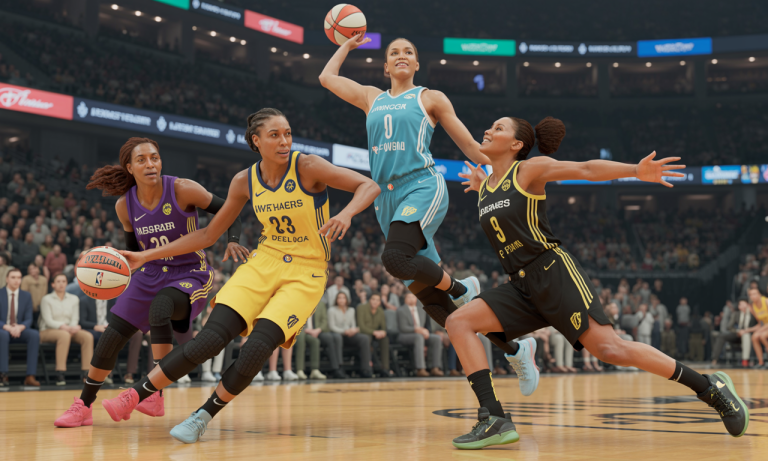
The WNBA rapidly gained momentum through fierce competition and standout performances. Teams like the Houston Comets, who dominated the late 1990s with four consecutive championships, cemented the league’s credibility. This period saw legends such as Diana Taurasi and Sue Bird redefine excellence in women’s basketball, inspiring a new generation of athletes and supporters.
- Houston Comets: Four titles in a row, setting a high bar for competition
- Minnesota Lynx and Seattle Storm: Created dynasties that sustained fan interest
- Iconic players: Commitment to skill, leadership, and visibility
- Sportswear collaboration: Partnerships with Nike and Champion amplified player brands
These early stars were critical not just on the court but as powerful advocates for women’s sports. Their influence helped galvanize fan loyalty and drew sponsorship from leading brands like Puma and New Balance, further embedding the WNBA into the cultural fabric.
Growth and Socio-Cultural Influence: The WNBA in the 21st Century
By the 2020s, the WNBA had blossomed into a symbol of social progress as much as athletic achievement. The league’s players took a firm stance on social justice issues, gaining recognition for fostering activism alongside sport. This activism often highlighted critical societal challenges, including racial equality and LGBTQ+ rights, which enhanced the league’s profile beyond the basketball court.
- Social initiatives: WNBA lauded as one of the most progressive pro leagues
- Activism moments: United support during the George Floyd protests
- Broadcast evolution: Innovative season formats and tournaments like the Commissioner’s Cup
- Expansion plans: New franchises in cities such as San Francisco and Toronto
Broadcasting partnerships with networks including ESPN and ABC and lucrative sponsorship deals with brands such as Adidas and Converse played pivotal roles in elevating the league’s reach. In 2024 alone, the WNBA secured a historic $2.2 billion media deal spanning 11 years, demonstrating its commercial ascent and audience loyalty.
The Business and Brand Evolution: Navigating Challenges and Celebrating Success
Financially, the WNBA has traversed a complex path marked by disparities in pay and resources compared to its male counterpart, the NBA. Yet, the league’s strategic partnerships and increasing fan engagement signal an optimistic trajectory.
- Salary dynamics: WNBA minimum salaries significantly lower than NBA yet steadily rising
- Viewership growth: Increasing broadcast ratings on ESPN, ESPN2, and ABC
- Sponsorship influence: Engagements with Nike, Adidas, Puma, and New Balance boosting commercial value
- Community programs: Open practices, summer camps, and player appearances enhance public connection
Despite the pay gap, which remains a focused point of discussion, the WNBA continues to nurture a sports-first philosophy that resonates with fans and corporations alike. The emphasis on community outreach and social responsibility underlines a modern model for professional sport where impact transcends the scoreboard.
Looking Ahead: The Future Trajectory of the WNBA
With ongoing expansion and increasing public enthusiasm for women’s sports, the WNBA’s future is bright. The league’s blend of athletic talent, cultural relevance, and corporate backing from global brands, including Reebok and Converse, provides a robust framework for continued growth and innovation.
- Upcoming expansion: Additional franchises to meet growing fan demand
- Media and sponsorship: Strengthening ties with networks and global sportswear companies
- Fan engagement: Enhanced accessibility through streaming and interactive content
- Legacy and inspiration: Continuing to inspire generations of players and advocates worldwide
As interest in female athletics intensifies, the WNBA stands as not only a sporting league but a movement redefining both women’s basketball and social progress. The journey from humble beginnings to a powerful cultural institution exemplifies perseverance, skill, and the transformative power of sport.